Finding the right home is about more than having a place to live it’s about feeling safe, comfortable, and supported to live as independently as possible. For some NDIS participants, standard housing may not meet their disability-related needs. This is where Specialist Disability Accommodation (SDA) can make a significant difference.
SDA is designed to provide eligible NDIS participants with housing that better supports their functional needs while improving independence, accessibility, and quality of life. Understanding how SDA works can help participants and families make informed decisions about their living arrangements and future goals.
What Is Specialist Disability Accommodation (SDA)?
Specialist Disability Accommodation (SDA) is a type of housing funded by the NDIS for participants who have extreme functional impairment or very high support needs.
SDA focuses on the physical home itself rather than the support services delivered within the home. These homes are specifically designed or modified to improve accessibility, safety, and independence for eligible participants.
SDA housing may include features such as:
- Wheelchair-accessible layouts
- Wider doorways and hallways
- Accessible bathrooms and kitchens
- Assistive technology integration
- Improved safety and mobility features
- Purpose-built disability accommodation
The goal is to provide an environment that supports participants to live more independently while reducing barriers in everyday life.
Who Is Eligible for SDA?
Not every NDIS participant qualifies for Specialist Disability Accommodation.
Eligibility is determined by the National Disability Insurance Agency (NDIA) based on several factors, including:
- Level of functional impairment
- Long-term support needs
- Housing requirements
- Impact of disability on daily living
- Evidence from health professionals and support teams
Participants who require specialised housing because of significant disability-related needs may be considered for SDA funding as part of their NDIS plan.
Because SDA eligibility is assessed individually, participants should discuss their circumstances with their support network and NDIS professionals.
Why SDA Is Important
The right living environment can have a major impact on a participant’s independence, wellbeing, and daily life.
For many people, unsuitable housing can create unnecessary challenges, including:
- Limited mobility around the home
- Increased reliance on support workers
- Safety risks
- Reduced community participation
- Difficulty completing daily tasks
Specialist Disability Accommodation helps remove these barriers by providing homes designed around participants’ needs.
Rather than adapting to a home that doesn’t suit them, participants can live in an environment that supports their goals and lifestyle.
Types of SDA Housing
The NDIS recognises different SDA design categories to meet varying levels of support requirements.
Improved Liveability
Improved Liveability housing is designed for participants who benefit from enhanced physical access and easier navigation throughout the home.
These homes may include:
- Improved lighting
- Better visual contrasts
- Enhanced layouts
- Reduced environmental barriers
This category supports participants with sensory, intellectual, or cognitive disabilities.
Fully Accessible
Fully Accessible SDA housing is designed for individuals with significant physical disabilities.
Features may include:
- Step-free access
- Wheelchair-friendly layouts
- Accessible bathrooms
- Adjustable fixtures
- Easy movement throughout the property
These homes help participants complete daily activities with greater independence.
High Physical Support
High Physical Support SDA includes advanced accessibility features and assistive technologies.
Examples may include:
- Ceiling hoists
- Emergency power solutions
- Automated doors
- Smart home technology
- Advanced mobility support systems
These homes are designed for participants with very high physical support needs.
Robust Housing
Robust SDA housing is designed for participants who require a highly durable living environment.
Features may include:
- Reinforced materials
- Enhanced safety measures
- Improved resilience and durability
- Layouts designed to reduce environmental risks
This category focuses on providing safe and sustainable housing solutions.
Benefits of Specialist Disability Accommodation
SDA offers more than accessible housing—it creates opportunities for participants to achieve greater independence and improved quality of life.
Greater Independence
Accessible housing can help participants complete daily activities more independently.
Simple tasks such as moving around the home, preparing meals, or accessing outdoor spaces become easier when the environment is designed to support individual needs.
Improved Safety
Safety is a key benefit of SDA.
Features such as accessible bathrooms, wider pathways, assistive technology, and purpose-built layouts can help reduce risks and improve confidence at home.
Better Quality of Life
Living in a suitable home can positively impact emotional wellbeing, social participation, and overall life satisfaction.
Participants often experience greater comfort and confidence when their environment supports their needs.
Enhanced Community Participation
The right housing can make it easier for participants to engage with their local community, attend appointments, participate in social activities, and maintain meaningful connections.
SDA and Supported Independent Living (SIL)
Many people confuse SDA and Supported Independent Living (SIL), but they are different supports.
SDA
SDA refers to the physical home or accommodation itself.
SIL
Supported Independent Living (SIL) refers to the support services provided within the home to help participants manage daily living activities.
A participant may have SDA funding, SIL funding, both, or neither depending on their individual circumstances and NDIS plan.
Understanding this distinction is important when exploring accommodation options.
Choosing the Right SDA Option
When considering Specialist Disability Accommodation, participants should think about:
- Current support needs
- Future goals
- Accessibility requirements
- Preferred location
- Community connections
- Lifestyle preferences
- Living arrangements
Choosing the right housing solution involves balancing practical support needs with personal preferences and long-term independence goals.
Participants should also consider how accommodation choices may support their future aspirations and daily routines.
How Immediate Care Can Help
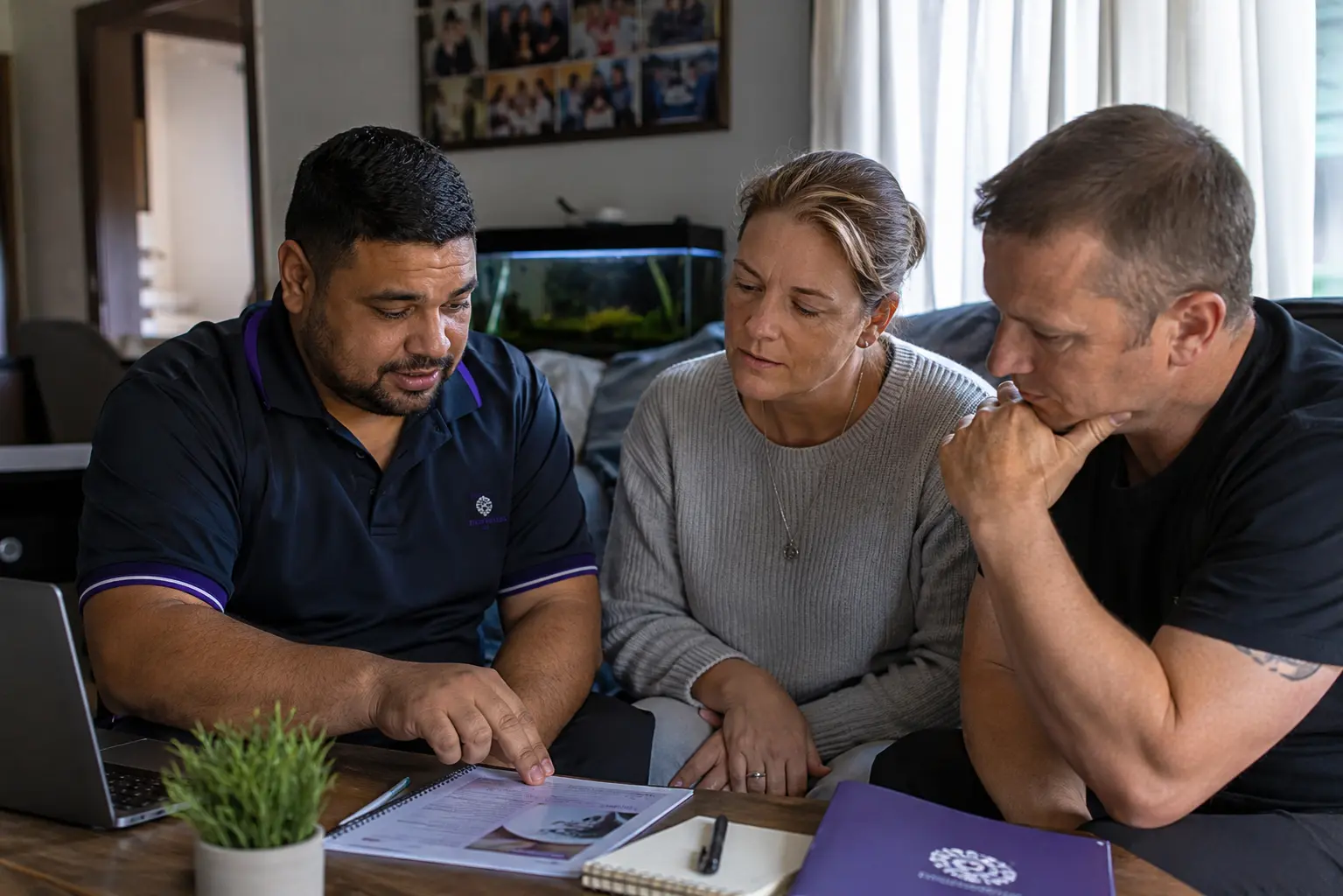
At Immediate Care, we understand that finding the right accommodation is an important part of achieving independence and improving quality of life.
Our team provides guidance and support to help participants and families understand Specialist Disability Accommodation options, explore suitable housing solutions, and make informed decisions about their future living arrangements.
We work closely with participants to ensure accommodation choices align with their individual needs, goals, and NDIS plans.
You may also find these resources helpful:
- Understanding NDIS Support Services: A Complete Guide
- How to Choose the Right NDIS Service Provider in Australia
- Supported Independent Living (SIL) Services
- NDIS Support Coordination Services
Final Thoughts
Specialist Disability Accommodation plays an important role in helping eligible NDIS participants access housing that supports independence, safety, and wellbeing. By understanding how SDA works and exploring available options, participants can make informed decisions that improve their quality of life and support their long-term goals.
The right home can create opportunities for greater independence, increased confidence, and a more comfortable future. When combined with the right support network, SDA can help participants live the life they choose.