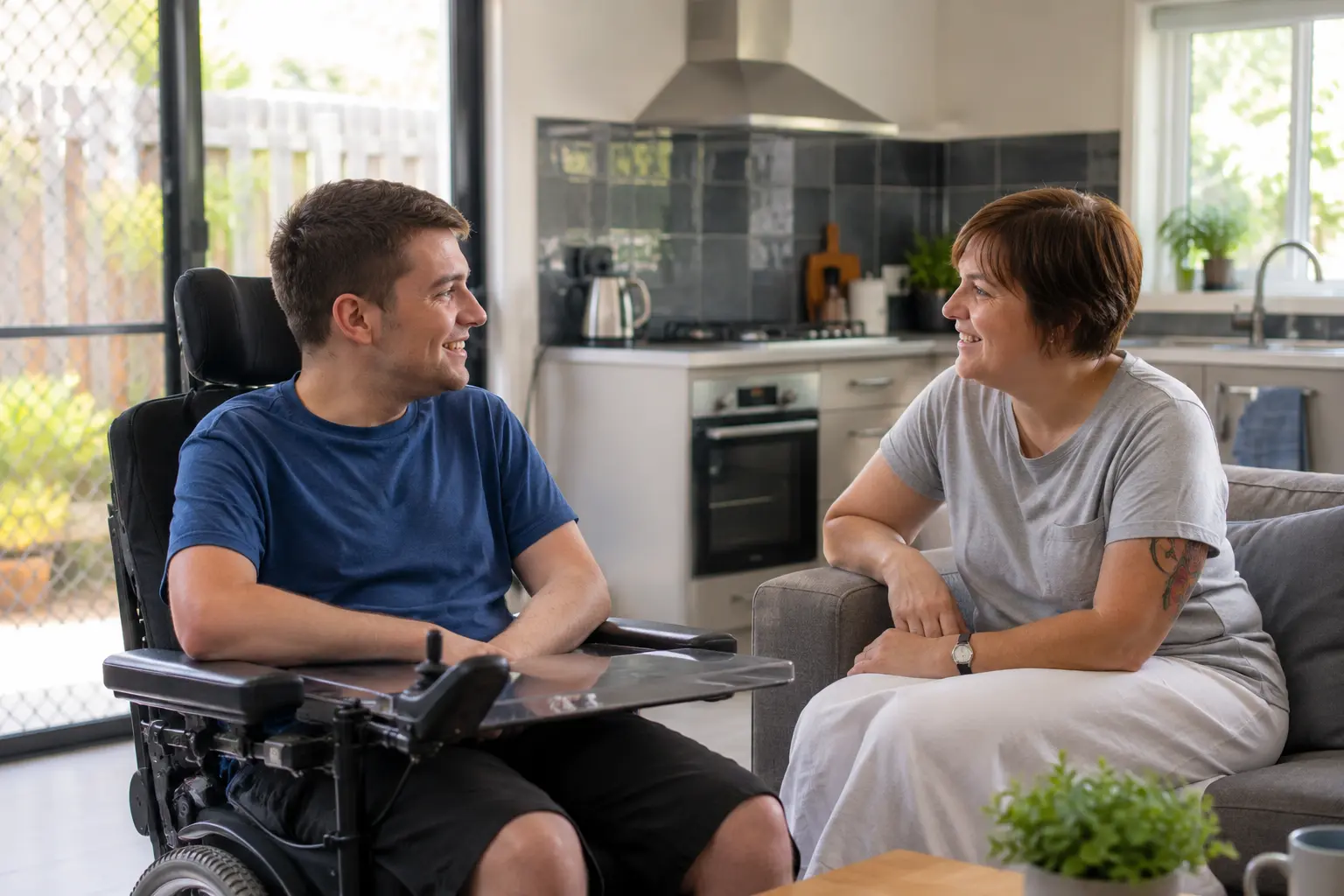
For many people living with significant disabilities, having the right home can make a meaningful difference in daily life. A well-designed living environment can improve accessibility, increase independence, and create opportunities for greater community participation. This is where Specialist Disability Accommodation (SDA) plays an important role.
As part of the National Disability Insurance Scheme (NDIS), SDA provides housing solutions for eligible participants with extreme functional impairment or very high support needs. These homes are designed to support participants in living more comfortably, safely, and independently.
In this guide, we’ll explore how SDA works, its benefits, and why suitable accommodation is an important part of achieving long-term goals.
What Is Specialist Disability Accommodation?
Specialist Disability Accommodation (SDA) refers to purpose-built or specially modified housing designed for eligible NDIS participants who require a higher level of accessibility or support within their living environment.
Unlike daily support services, SDA focuses on the home itself. These properties are built to improve accessibility, safety, and independence while accommodating participants’ unique needs.
SDA homes may include:
- Wheelchair-accessible layouts
- Wider hallways and doorways
- Accessible bathrooms and kitchens
- Smart home technology
- Assistive equipment integration
- Enhanced safety features
The aim is to reduce barriers and create an environment where participants can live with greater confidence and control.
Why Accommodation Matters
Housing is much more than a place to sleep. It influences nearly every aspect of daily life, including safety, mobility, wellbeing, and social participation.
When accommodation is not suited to a participant’s needs, simple tasks can become difficult and frustrating. Participants may face challenges with:
- Moving around the home
- Accessing bathrooms and kitchens
- Completing daily routines
- Managing personal care activities
- Participating in community life
Appropriate accommodation can remove many of these barriers and help participants focus on achieving their goals rather than managing unnecessary obstacles.
Supporting Independence Through Better Design
One of the biggest advantages of SDA is the way it supports independent living.
Features such as step-free access, wider spaces, accessible fixtures, and assistive technology allow participants to complete daily tasks more independently.
For example, a participant using a wheelchair may find it easier to:
- Move throughout the home
- Prepare meals
- Access outdoor areas
- Manage household activities
- Maintain personal routines
These improvements may seem small individually, but together they can significantly improve everyday life.
Creating a Safer Living Environment
Safety is a key consideration for many participants and their families.
SDA homes are designed to reduce risks and improve accessibility, helping participants feel more secure within their living environment.
Depending on the participant’s needs, safety features may include:
- Slip-resistant flooring
- Accessible bathrooms
- Emergency response systems
- Assistive technology
- Improved lighting
- Accessible entrances and exits
A safer environment often leads to increased confidence and greater independence.
Improving Quality of Life
Quality of life is about more than physical accessibility. It also includes comfort, wellbeing, relationships, and the ability to participate in activities that matter.
Living in an appropriate home can help participants:
Feel More Comfortable
A home designed around individual needs can reduce daily stress and create a more enjoyable living experience.
Build Confidence
When participants can complete tasks independently, they often develop greater confidence in their abilities.
Maintain Routine and Stability
A suitable living environment supports consistency and helps participants establish positive daily routines.
Enjoy Greater Choice and Control
The NDIS places strong emphasis on participant choice. SDA helps create opportunities for individuals to make decisions about where and how they live.
The Connection Between SDA and Community Participation
Community participation is an important part of living a fulfilling life.
Many SDA homes are located within communities where participants can access:
- Local services
- Public transport
- Recreation facilities
- Education opportunities
- Employment supports
- Social activities
A well-located and accessible home can make it easier for participants to stay connected with family, friends, and their local community.
This connection often contributes to improved wellbeing and stronger social relationships.
SDA and Supported Independent Living (SIL)
Many NDIS participants hear about both SDA and Supported Independent Living (SIL) and wonder how they work together.
While they are often connected, they serve different purposes.
Specialist Disability Accommodation (SDA)
SDA refers to the property itself and the physical features of the home.
Supported Independent Living (SIL)
SIL refers to the support services provided to participants living in the home.
These services may include:
- Personal care
- Meal preparation
- Household tasks
- Daily living assistance
- Skill development
For a detailed explanation of SIL, participants can also explore our Supported Independent Living (SIL) services.
Choosing the Right SDA Home
Every participant has unique goals, preferences, and support requirements.
When considering SDA options, it is important to think about:
Accessibility Needs
The property should support both current and future mobility and accessibility requirements.
Lifestyle Preferences
Participants should consider the type of environment they prefer and how accommodation choices fit their lifestyle.
Support Requirements
Housing should align with the participant’s daily support needs and NDIS goals.
Community Connections
Being close to family, friends, services, and community activities can have a positive impact on wellbeing.
How Support Coordination Can Help
Finding suitable accommodation can sometimes feel overwhelming.
An experienced NDIS Support Coordinator can help participants:
- Understand accommodation options
- Connect with providers
- Navigate the NDIS process
- Coordinate services
- Make informed decisions
Support Coordination often plays an important role in helping participants access the right housing and supports.
Why Participants Choose Immediate Care
At Immediate Care, we understand that every participant’s journey is different.
Our team works closely with participants and families to provide guidance around:
- Specialist Disability Accommodation (SDA)
- Supported Independent Living (SIL)
- NDIS Support Coordination
- Disability Support Services
We focus on helping participants access supports that align with their goals, independence, and quality of life.
Whether you’re exploring accommodation options for the first time or looking for guidance on your next steps, we’re here to help.
Final Thoughts
The right accommodation can have a lasting impact on independence, safety, and overall wellbeing. Specialist Disability Accommodation provides eligible NDIS participants with access to homes that better support their daily lives and long-term goals.
By understanding available options and choosing accommodation that meets individual needs, participants can enjoy greater independence, improved quality of life, and more opportunities to engage with their communities.
For many participants, SDA is not simply about housing—it’s about creating a foundation for a more confident, comfortable, and independent future.